Style
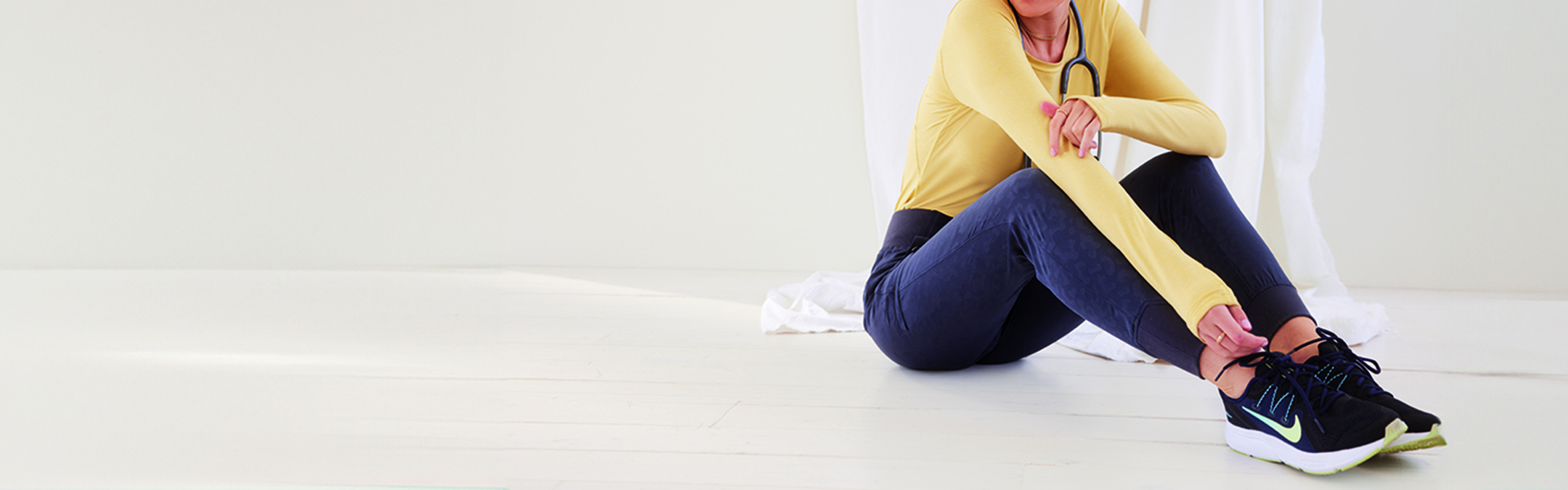
When you’re constantly moving, bending, reaching and navigating temperature swings, what you wear under your scrubs can quietly shape how your day feels. The right base layer adds comfort, warmth and confidence—without bulk, bunching or distraction.
Whether you’re layering for a chilly unit, staying cool during a fast-paced shift or adding a bit of coverage under lighter fabrics, choosing the right underscrub can make a noticeable difference.
This guide walks through common underscrub options, what nurses say works best in real life and how to choose a layer that keeps you comfortable from clock-in to clock-out.
Choosing the Right Base Layers for Under Scrubs
Most healthcare professionals look for underscrubs that feel soft, stay in place while moving and fit comfortably within dress-code guidelines. While preferences vary, these are the most common base layers nurses reach for, depending on temperature, activity level and personal comfort.
Lightweight Tees for Breathability
Lightweight tees are a go-to choice when you want airflow without added warmth. They create a smooth, comfortable layer under scrubs and work especially well in warmer environments or high-movement roles.
Long Sleeves for Cooler Environments
If your unit runs cold—especially overnight or in air-conditioned spaces—a fitted long sleeve can make a big difference. The key is choosing a style that sits close to the body, so it doesn’t bunch under your scrub top or restrict movement.
A well-fitting long sleeve adds warmth while still feeling streamlined and easy to work in.

Purple Label by Healing Hands
$12.00
-
to
$15.00
14 Colors


Purple Label by Healing Hands
$13.50
Price reduced from
$24.00
1 Color

Tank Tops for Warm Conditions
In warmer climates, or during summer months, tank tops offer coverage without holding in heat. They’re commonly worn by nurses who run warm or work in fast-paced units where staying cool matters most.
Tanks layer easily under scrub tops and allow for airflow while still offering a smooth base layer.
What to Wear Under Scrubs in Hot vs. Cold Environments
Many nurses move through multiple temperature zones during a single shift. Patient rooms may feel warm, while hallways or stations feel noticeably cooler. Adjusting your base layer can help you stay comfortable through those changes.
If your unit runs cold:
- Fitted long sleeves add warmth without bulk
- Smooth, lightweight knits layer cleanly under scrub tops
- Avoid thick cotton layers, which can trap moisture
If your unit runs warm:
- Tanks or short sleeves help prevent overheating
- Moisture-managing fabrics reduce cling
- Lightweight materials keep heat from building up
Fabric Choices for Comfort and Daily Wear
Fabric plays a big role in how an underscrub feels over the course of a long shift.
Stretch and Flexibility
A small amount of spandex or elastane helps your underscrub move with you. This is especially helpful when lifting, reaching or staying active throughout the day.
Breathable and Lightweight
Cotton blends, polyester and rayon are popular because they feel soft and don’t weigh you down. They also layer easily under scrub tops without adding bulk.
Moisture Management
For nurses who sweat easily or work in high-activity settings, fabrics that pull moisture away from the skin help prevent discomfort and that heavy, clingy feeling.
Scrub Tops That Layer Well Over Underscrubs
Not all scrub tops are created equal when it comes to layering. Nurses who regularly wear underscrubs often look for tops that:
- Have room through the shoulders
- Feature smooth interior seams
- Sit cleanly over tanks or tees
- Aren’t too sheer
- Still feel breathable on their own
Many nurses prefer pairing underscrubs with:
- V-neck tops, which sit naturally over fitted layers
- Straight- or curved-hem tops that don’t cling at the waist
- Stretch fabrics that move easily with added layers
- Relaxed-fit styles that offer extra room through the torso
Relaxed-fit scrub tops from Healing Hands are a popular choice for layering, thanks to their ease through the shoulders and body.


How to Choose Your Underscrub Tee
Choosing an underscrub comes down to comfort, temperature and how it works with your scrub style.
Versatile, Layer-Friendly Options
Fitted, lightweight tees—like the Melissa Long Sleeve Knit Tee—layer smoothly because they sit close to the body without feeling tight. Many nurses also appreciate styles that feel comfortable and versatile enough to wear outside of work.
Temperature Awareness
If your shift moves between warm and cool areas, look for a layer that adds gentle warmth without trapping heat. Breathable long sleeves often strike that balance well.
What to Wear Under White Scrubs
White scrubs can appear slightly sheer under hospital lighting. To avoid show-through, many nurses choose:
- Skin-tone or muted underscrubs
- Smooth fabrics with minimal seams
- Neutral shades that blend with the scrub fabric
Bright white tees often show more under fluorescent lights, so soft neutrals are usually the safer option.
Are Long Sleeves Allowed Under Scrubs?
Dress code policies vary by unit and facility. Nurses often report the following patterns:
- Many units allow fitted long sleeves in neutral colors
- ICU, ED or OR-adjacent areas may prefer short sleeves
- Outpatient and pediatric settings often allow more flexibility
If you’re unsure, checking with your manager or onboarding materials is always best.
Practical Tips for Layering Under Scrubs
Keep Layers Light
Minimal, fitted layers prevent bunching and keep your scrubs looking smooth.
Stick to Neutral Colors
Black, white, grey and nude tones are easiest to pair with scrub colors and tend to align with most dress codes.
What Type of Underscrubs Nurses Commonly Prefer
Across different specialties and environments, nurses often share similar preferences:
- Fitted long sleeves that stay in place
- Lightweight, stretchy fabrics
- Moisture-managing materials
- Neutral or skin-tone colors
- Minimal seams for a smooth look under scrubs
FAQs About What to Wear Under Scrubs
Can you wear long sleeves under scrubs?
Often yes, depending on unit guidelines. Many allow fitted, neutral long sleeves.
What should you wear under white scrubs?
Skin-tone or muted layers with smooth fabrics work best.
What do male nurses usually wear under scrubs?
Short-sleeve tees, moisture-managing undershirts, or fitted long sleeves—based on comfort and temperature.
Should underscrubs be tight or loose?
Fitted layers tend to work best because they stay in place and don’t bunch.
What underscrub works best if you sweat easily?
Lightweight, moisture-managing fabrics help reduce cling and keep you dry.
Can you wear a tank top under scrubs?
Yes. Tanks are common in warm environments or for nurses who prefer minimal layering.
Are there underscrubs that help with modesty?
Yes. Fitted tees or tanks in skin-tone shades offer extra coverage under lighter scrubs.
How do I choose a layer if my unit temperature changes a lot?
Breathable long sleeves are a comfortable middle ground for shifting temperatures.
Staying Comfortable Throughout Your Shift
Your workday involves constant movement, quick transitions and changing temperatures. Choosing the right layer under your scrubs helps you stay comfortable, focused and at ease—whether that’s a tank, a lightweight tee or a fitted long sleeve.
When your base layer works with your body and your environment, it’s one less thing you have to think about during a long shift—and that quiet comfort can make all the difference.